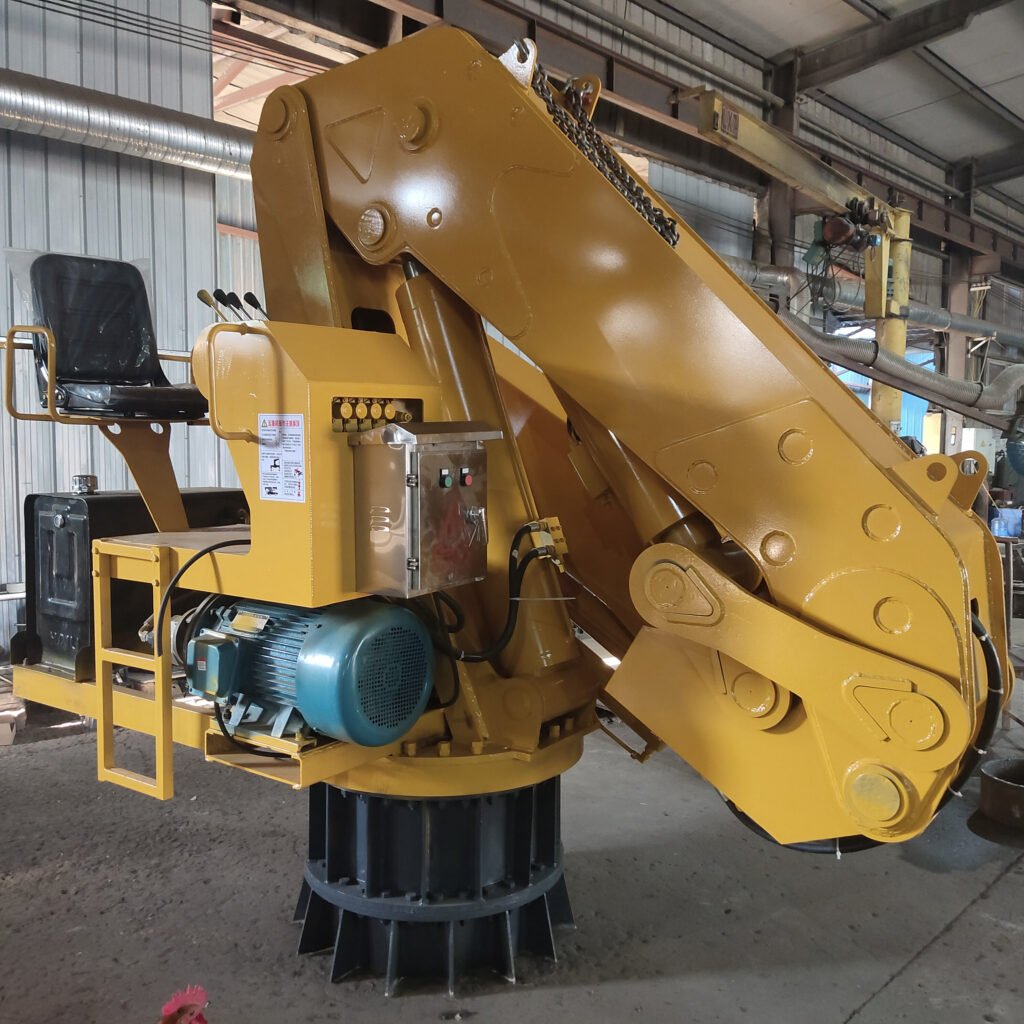
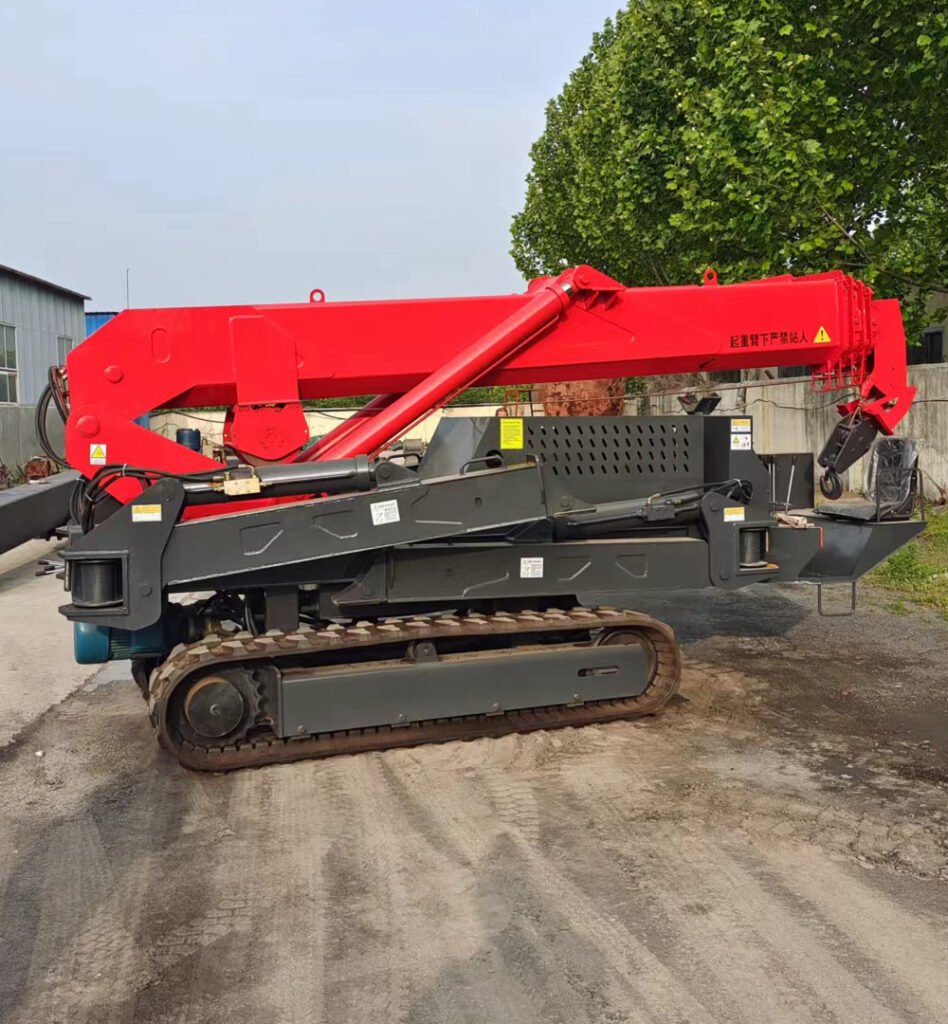
When planning a lifting operation, choosing between a telescopic boom crane and a knuckle boom crane (also called an articulating crane) can make or break your project’s efficiency, safety, and budget. As a leading crane supplier, we’ll break down the key differences, ideal use cases, and cost considerations to help you decide.
1. Key Differences at a Glance
| Feature | Telescopic Boom Crane | Knuckle Boom Crane |
|---|---|---|
| Boom Design | Straight, extends linearly | Hinged “elbow” joints for folding |
| Reach Flexibility | Superior vertical/long reach | Precision in confined spaces |
| Setup Space | Requires more operating radius | Compact footprint |
| Load Control | Best for heavy, stable loads | Superior maneuverability |
| Typical Use | Construction, wind turbines | Logistics, urban installations |
2. When to Choose a Telescopic Boom Crane
Best For:
✔ High-capacity lifts (e.g., 50+ tons)
✔ Projects needing vertical reach (e.g., high-rise steel erection)
✔ Open sites with minimal obstacles
Advantages:
- Greater lifting height: Single-section extension outperforms knuckle booms in vertical reach.
- Faster deployment: Fewer moving parts mean quicker setup for repetitive lifts.
- Heavier loads: Ideal for industrial applications like precast concrete or bridge building.
Example Scenario: A telescopic crane’s 120-foot reach is unloading wind turbine blades from transport trucks at a renewable energy site.
3. When a Knuckle Boom Crane Shines
Best For:
✔ Tight urban spaces (e.g., between buildings)
✔ Complex load positioning (e.g., placing HVAC units on rooftops)
✔ Multi-stage lifts requiring precision
Advantages:
- 360° articulation: The “elbow” joints allow loads to navigate around obstacles.
- Minimal setup space: Fits in alleys or indoor warehouses where telescopic cranes can’t.
- Versatility: Many models include integrated winches for added functionality.
Example Scenario: A knuckle boom crane is installing glass panels on a skyscraper, folding its boom to avoid existing structures.
4. Cost Comparison: Rental vs Purchase
| Factor | Telescopic Crane | Knuckle Boom Crane |
|---|---|---|
| Hourly Rental Rate | $150–$400/hour | $100–$300/hour |
| Purchase Price | $200,000–$1M+ | $80,000–$500,000 |
| Maintenance Cost | Higher (complex hydraulics) | Lower (modular design) |
Pro Tip: For short-term projects with space constraints, knuckle boom rentals often offer better ROI. For long-term heavy lifting, telescopic cranes provide durability.
5. Safety Considerations
- Telescopic Cranes: Require strict load chart adherence to avoid tipping.
- Knuckle Booms: Need operator training for multi-axis movement control.
- Both: Modern models include anti-collision sensors and overload alarms.
6. Still Unsure? Here’s How We Help
At [Your Company Name], we specialize in matching clients with the perfect crane for their project’s:
✅ Budget – Get transparent quotes with no hidden fees.
✅ Timeline – Fast delivery and certified operators available.
✅ Site Challenges – Our engineers recommend solutions for tricky lifts.
Free Consultation: Get a Custom Crane Recommendation